
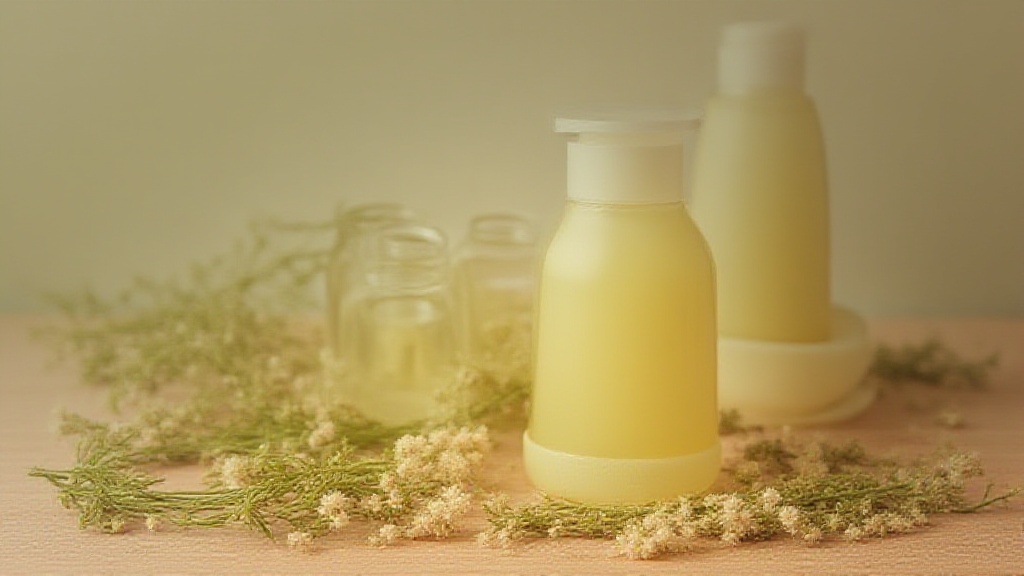
 Many people are searching for shampoo options that avoid harsh chemicals and synthetic fragrances. If you’ve ever scanned a store aisle and felt uneasy about the ingredient labels, you’re definitely not alone. Making homemade herbal shampoo is a practical way to know exactly what’s in your hair care, and you can even tailor it to your scalp’s needs and hair goals.
There’s something really satisfying about mixing up fresh ingredients and creating a formula that actually works for your hair. In this guide, I’ll break down how to make your own herbal shampoo, what ingredients to pick, my favorite reliable recipes, and troubleshooting tips if things don’t quite turn out right. If you’re new to DIY hair care, you don’t need a chemistry degree to get results you’ll love – just a little curiosity and patience.
Step 1: Know Your Hair and Scalp Needs
Before you grab any herbs or mix up a batch of shampoo, it’s helpful to figure out what your hair and scalp are craving. Homemade shampoo can be adjusted for dry hair, oily roots, or an itchy scalp, depending on what you want to help with.
Ask Yourself:
- Is my scalp usually oily, dry, or balanced?
- Do I want to add shine, volume, or manage frizz?
- How sensitive is my scalp to new products?
- Am I hoping for gentle cleansing or a deeper clean?
Common Hair Goals:
- Reduce itchiness or flaking
- Make hair softer or less frizzy
- Add definition to natural curls or waves
- Soothe scalp sensitivity from commercial products
- Enjoy subtle scent from real herbs
Checking in with your hair’s needs first makes it a lot easier to pick the right combination of herbs and base ingredients. Your answers here will serve as your guide for the next steps.
Step 2: Gather Your Shampoo Ingredients
Homemade herbal shampoo usually contains a cleansing base, a liquid to help blend and infuse, and some optional extras for nourishment or fragrance. Here’s what to look for when you’re out shopping or browsing online:
Core Ingredients:
- Liquid Castile Soap: Acts as a gentle plantbased cleanser. Choose unscented or lightly scented for maximum flexibility.
- Distilled Water or Herbal Tea: Used to dilute the castile soap, and lets the shampoo take on herbal benefits.
- Carrier Oils (such as jojoba, olive, or almond oil): Add moisture, especially useful for dry or curly hair.
Herbs and Botanicals:
- Chamomile: Great for soothing scalps and brightening light hair shades.
- Rosemary: Traditionally used to support scalp health and boost shine for darker hair.
- Lavender: Good for calming irritation and adding a gentle floral scent.
- Nettle and Horsetail: Both are favorites for strengthening hair and reducing breakage.
Optional Extras:
- Essential Oils (like peppermint, tea tree, or cedarwood): Useful for scalp health and scent, just use a few drops.
- Aloe Vera Gel: Adds slip for easier washing and soothes the scalp.
- Vegetable Glycerin: Boosts moisture without leaving hair greasy.
Always check for allergies when trying new ingredients, and if you have a sensitive scalp, start with one or two herbs at a time to see how your skin reacts. Many of these are easy to find at a health store or herbal supply shop.
Step 3: Make Your Herbal Infusion
Herbal infusions set the foundation for a great homemade shampoo. They’re simple, strong teas made with your chosen herbs. You can mix and match or pick just one, depending on your goals or personal favorites.
How to Make a Simple Herbal Infusion:
- Boil 2 cups of distilled water.
- Add 2 to 3 tablespoons of dried herbs (or 4 to 6 tablespoons fresh) into a heatproof jar or mug.
- Pour boiling water over the herbs, cover, and let steep for 30 minutes to an hour.
- Strain out the herbs and let the liquid cool completely. You don’t want to mix hot infusion with castile soap.
This herbal infusion replaces plain water in your shampoo recipe. The scent and benefits come from whatever herbs you choose.
Step 4: Build Your Herbal Shampoo Base
Once your infusion is cool, you can mix up your shampoo. There are countless tweaks you can try, but here’s a basic version that I find covers most needs:
Basic Homemade Herbal Shampoo Recipe:
- 1/2 cup liquid castile soap
- 1/2 cup cooled herbal infusion
- 1 teaspoon carrier oil (skip or halve for oily hair)
- 1 teaspoon vegetable glycerin (optional, helps dry hair)
- 8-10 drops of your favorite essential oil (optional)
Pour everything into a squeeze bottle or a recycled shampoo bottle, and shake well. Since there are no preservatives, make this in small batches and keep it in the fridge between uses. It stays fresh for about a week.
Shake before using, since the natural ingredients can separate a bit over time.
Step 5: Personalize for Different Hair Types
One of the best parts about DIY shampoo is making it just right for your own hair type. Here’s how to tweak the basic recipe for some common hair needs:
For Oily Hair:
- Use rosemary, sage, or peppermint in your infusion.
- Skip or reduce the carrier oil for a lighter formula.
- Add a splash of fresh lemon juice for extra cleansing, but only use it once a week to keep hair from drying out.
For Dry or Curly Hair:
- Infuse with marshmallow root or calendula for extra softness.
- Add up to 2 teaspoons carrier oil for more moisture.
- Include a spoonful of aloe vera gel to make your shampoo more smoothing.
For Sensitive or Itchy Scalps:
- Choose gentle herbs like chamomile and lavender for your infusion.
- Use just a drop or two of essential oils, or skip them to keep things simple.
- Add a small spoonful of honey for a natural antimicrobial boost.
Try out these tweaks and adjust for your needs. Sometimes it takes a couple of test batches to find your new favorite blend, but flexibility is the beauty of DIY hair care.
Step 6: How to Use and Store Homemade Herbal Shampoo
Homemade shampoo will feel a bit different than commercial ones because it uses simple, less foamy ingredients. You may need to adjust your routine slightly, especially in the first week or two.
How to Use:
- Shake your bottle well before each use.
- Wet your hair thoroughly with warm water.
- Work a small amount of shampoo into your scalp, massaging gently. Add more water if you need better distribution.
- Let it sit for a minute so the herbs have time to work.
- Rinse really well. If you’ve added extra oil, you might want to rinse twice.
Storage Tips:
- Keep your shampoo in the fridge between uses for best freshness. Since there are no added preservatives, small batches are safer.
- If you make big batches, freeze some in small containers and thaw a new one as needed.
- Wash out your bottle regularly to prevent buildup or any funky smells.
Remember, natural shampoos don’t foam up as much, and your hair might take a couple weeks to adjust. Stick with it, because the results are worth it if you’re craving a gentler approach to hair care.
Troubleshooting & Common Questions
My homemade shampoo feels greasy. What should I do?
If your hair feels oily after washing, you may have added too much oil or not rinsed thoroughly. Try cutting the oil amount in half, or swap out some oil for more herbal infusion. If you have hard water, a diluted apple cider vinegar rinse after shampooing can help balance things out.
Can I use fresh herbs from my garden?
Definitely. Just double the fresh herbs compared to dried ones, since fresh herbs hold extra water. Rinse them well before use.
Is this safe for color-treated or damaged hair?
Homemade herbal shampoo is usually gentle and safe for color-treated hair. Avoid citrus juice or vinegar if your dye is brand new. For damaged hair, focus on nurturing herbs like calendula, chamomile, and marshmallow root, plus a little extra oil.
Should I use conditioner after?
A diluted apple cider vinegar rinse or a strong herbal tea rinse (like nettle or rosemary) works well as a lightweight conditioner. For really dry hair, consider a small amount of leave-in oil.
Tips for Making It a Habit
Switching to homemade shampoo can be an adjustment. Your hair may need a week or two to get used to the new routine, especially if you’re moving away from commercial formulas packed with lots of surfactants.
How to Make the Switch Easier:
- Be patient with the transition, and expect some flatness or extra oil at first.
- Wash your hair only as needed, which for most people is every few days instead of daily.
- Make small batches and adjust the formula until you find your sweet spot.
- Keep notes about which herbs and ingredient combos suit you best.
Over time, you’ll find the herbal combinations and techniques that truly work for your hair. If you don’t love one mix, it only takes a few minutes to try something new.
Ready to Try Homemade Herbal Shampoo?
Making your own shampoo might sound like work, but the control and peace of mind are hard to beat. Once you nail down the herbal infusion and basic recipe, it’s second nature to switch up your blend as the seasons or your hair needs change. This is a low-risk, natural way to care for your hair with minimal fuss.
Action Steps:
- Think about what your hair needs most: soothing, deep cleaning, added shine, or something else.
- Pick a couple of herbs and either order them or check your local stores or garden first.
- Mix up a basic batch, take note of what you liked or didn’t, and adjust next time.
- Keep tweaking till you find your new go-to recipe for your unique hair type.
Which herbs are you most excited to try in your first batch? Leave a comment and let me know what herbal combos ended up working for you. Taking charge of your hair care has never been simpler!
Leave a Reply